|
|||||
|
In this Update:
Senate Majority Policy Committee Examines Mine Reclamation Efforts
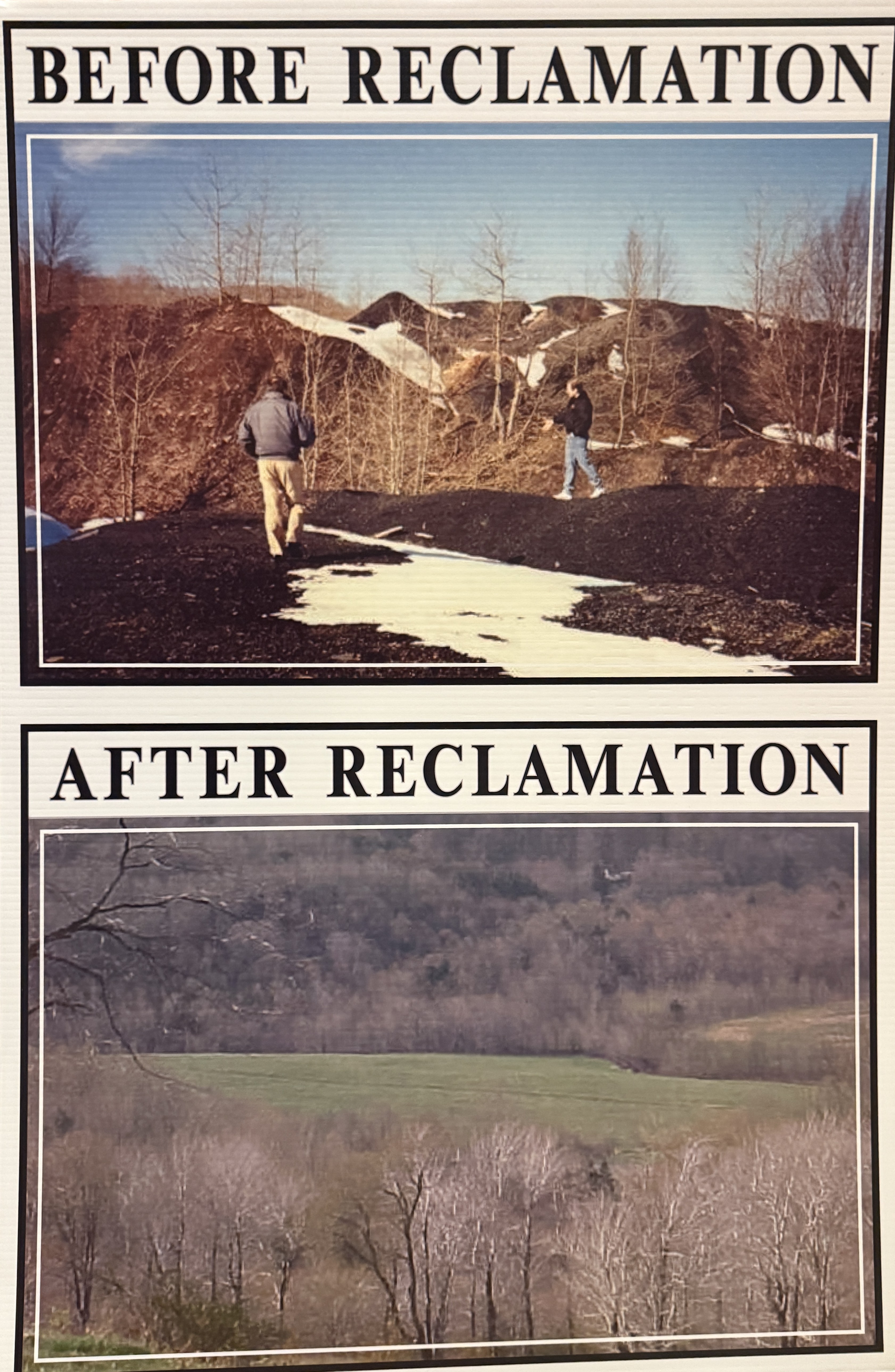
The Senate Majority Policy Committee recently reviewed efforts to reclaim abandoned mine lands and restore streams polluted by decades of mining across Pennsylvania. For nearly 50 years, Pennsylvania’s waste coal electric power plants have helped generate much-needed electricity while restoring our landscape. Since the 1980s, these plants have remediated over 1,200 miles of streams and reclaimed over 7,200 acres of mine-scarred land, supporting nearly 1,000 jobs. Sites that were choked with coal waste for a century have been transformed into green hills and forests. Approximately half of Pennsylvania’s waste coal piles have been removed thanks to years of bipartisan work to support this ongoing remediation effort – not only impacting communities in Carbon, Luzerne, and Schuylkill counties, but also those downstream. We have made significant progress since I grew up near abandoned coal pits in Tamaqua’s East End, but MUCH work remains! Fighting Blight
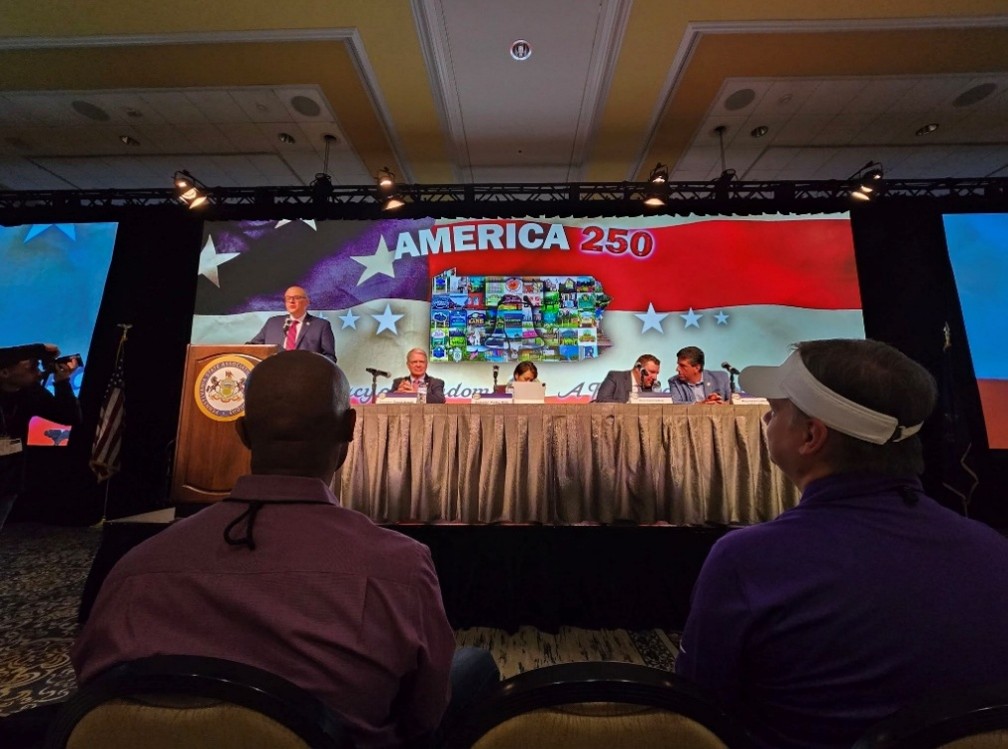
As chair of the PA Statewide Blight Task Force, the PA State Association of Boroughs (PSAB) invited me to discuss the urgent need to remove blight from our communities. I reviewed my Act 152, which has brought millions of dollars to 31 counties to demolish dangerous, blighted structures across PA, including Schuylkill, Carbon, and —most recently—by a unanimous, bipartisan vote of County Council— Luzerne County! I highlighted two of my new bills, including Senate Bill 345, to strengthen the County Demolition Funding Program and Senate Bill 794, to increase assistance to municipalities with fire damaged properties. We also discussed my Senate Majority Policy Committee’s recent hearing on PA’s housing shortage. We need to cut through the bureaucracy, implement faster permitting, and speed up the reuse of vacant buildings. As one testifier put it, “Housing development in Pennsylvania is too long, too expensive, and too uncertain!” We also reviewed the importance of downtown and neighborhood revitalization to the 48 boroughs I represent including recent successes in Tamaqua, Jim Thorpe, Shenandoah, Pottsville, Hazleton, and beyond. Advocating for Long-Term Care Workers
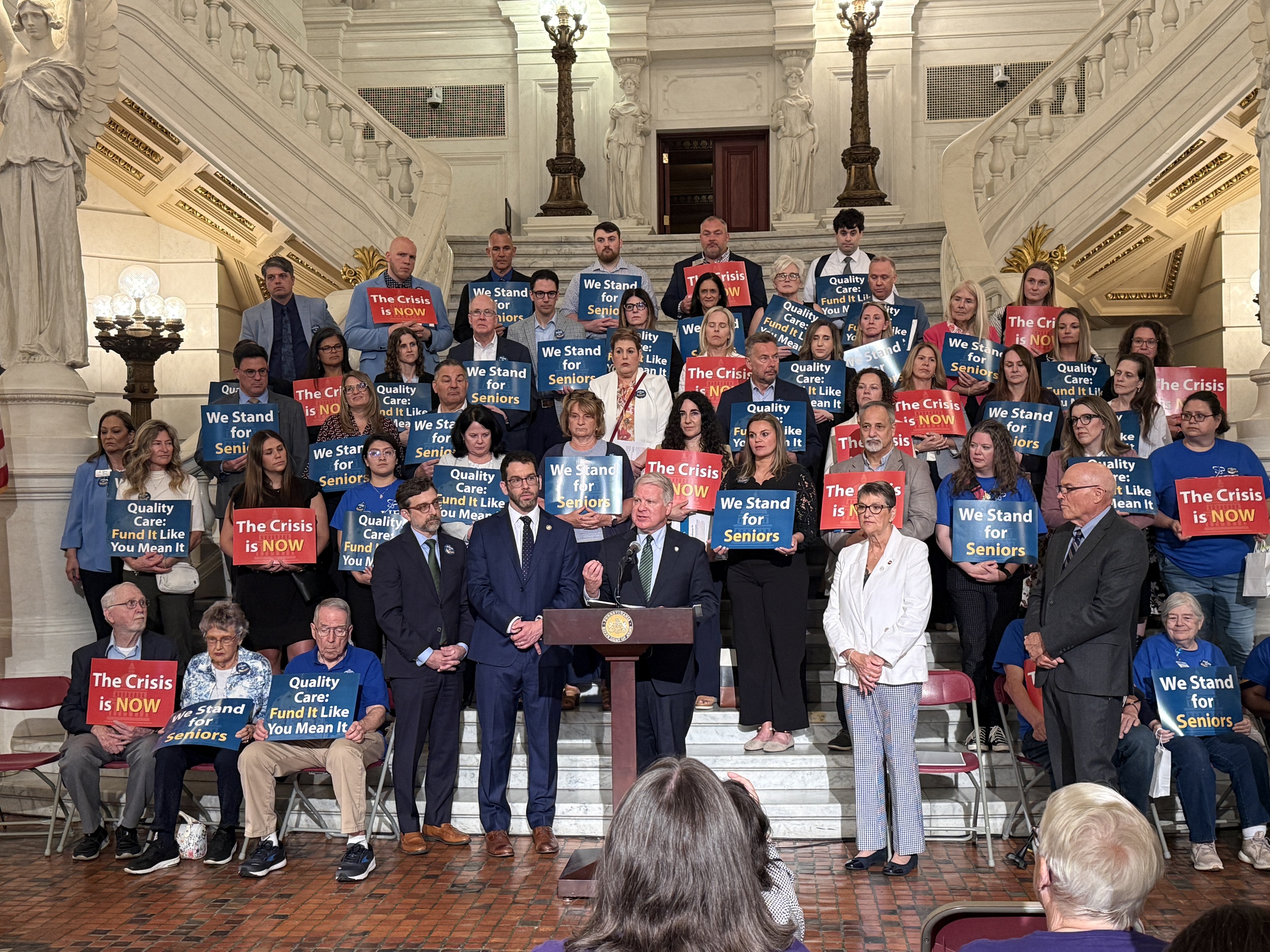
LeadingAge PA recently asked me to join their Advocacy Day Press Conference at the State Capitol because too many families, including mine, have faced the difficult decision of moving a loved one into a long-term care center. With PA’s 65 and older population is expected to double by 2040, I introduced three bipartisan bills to alleviate our existing staffing shortages. All three bills passed the Senate – with overwhelming bipartisan majorities —and are awaiting votes in House Committees. Senate Approves Bills to Make Housing More Attainable Across PA
The Senate recently acted to help alleviate Pennsylvania’s growing housing shortage by approving three bills to expand access to housing while preserving local control.
These reforms reduce several of the barriers contributing to Pennsylvania’s housing shortage, helping create more opportunities for homeownership while giving communities the flexibility to encourage growth in a way that reflects local needs and priorities. The bills were sent to the House of Representatives for consideration. Task Force on Child Protection in the Digital Age
To make sure state laws keep pace with emerging online threats, the Senate voted to establish a Task Force on Child Protection in the Digital Age. Senate Resolution 244 would direct the Joint State Government Commission to convene a task force to review Pennsylvania’s laws, assess new technologies and identify legal gaps in protection for children in the digital environment. The commission will issue a recommendation for action to the General Assembly. The proposal builds on previous work by the legislature: In 2024, we passed a law to combat AI generated child sexual abuse materials (CSAM). In 2025, we acted to classify deepfakes as digital forgery for more severe punishment. The Senate also approved bills to strengthen reporting requirements for AI-generated CSAM and to establish commonsense safeguards for AI chatbots accessible by minors. Read more about our efforts to protect children in the digital age here. Cellphone Law to Reduce Distracted Driving Takes Full Effect
After a one-year warning period, a state law aimed at reducing distracted driving becomes fully enforceable tomorrow (Friday, June 5). The law prohibits the use of hand-held devices while driving, even while stopped temporarily due to traffic, a red light or other delays. Drivers can still use their phones to alert authorities in the event of an emergency and use hands-free technology to make phone calls, use a GPS and listen to music. Drivers convicted of using a hand-held device while driving will pay a $50 fine, plus court costs and other fees under Paul Miller’s Law. The law is named for Paul Miller Jr., who was tragically killed in a 2010 Monroe County crash by a tractor trailer operator distracted while reaching for his phone while driving. Read more about this new law here. Hearing Examines Bill Ensuring Lead-Free Drinking Water in Schools
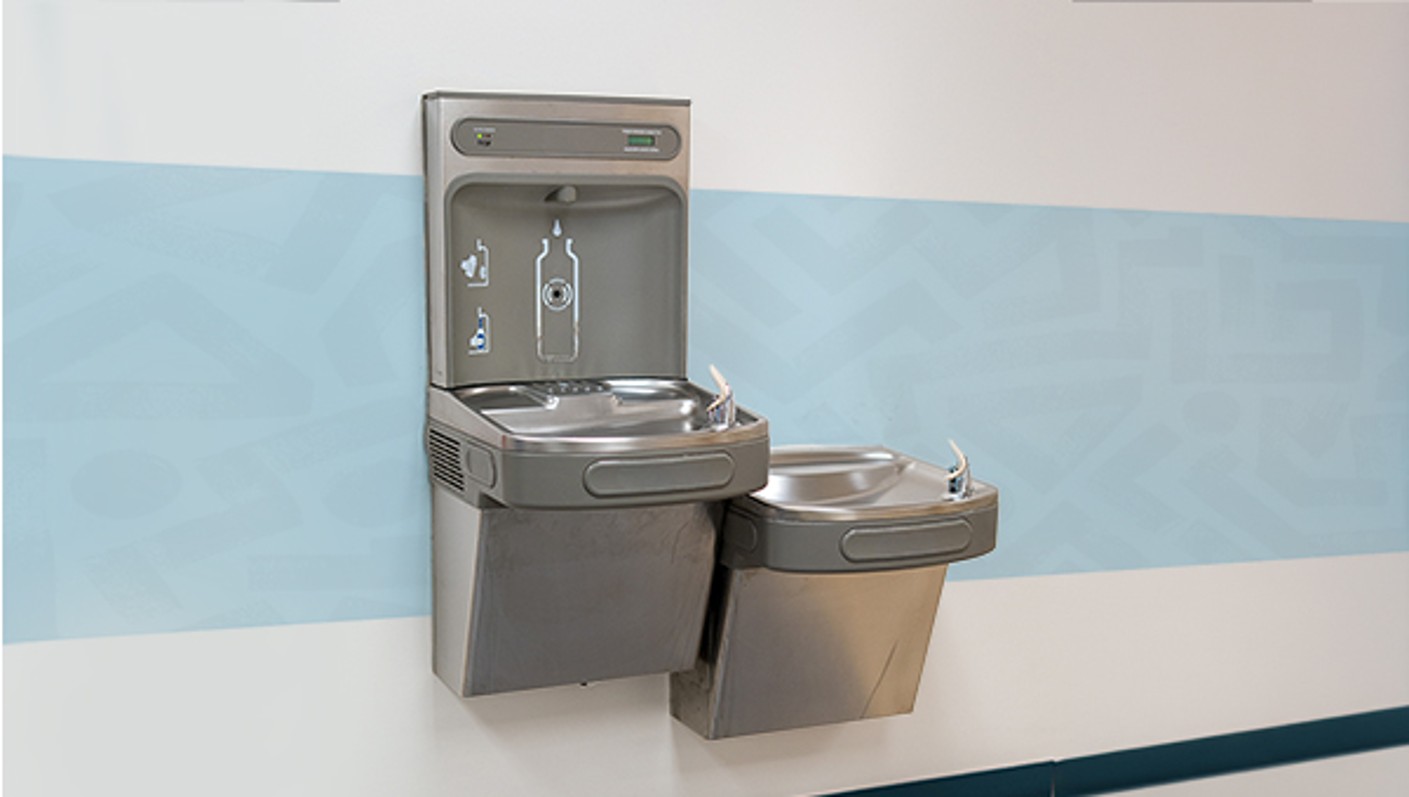
A recent Senate hearing examined legislation to ensure Pennsylvania students have access to safe, lead-free drinking water in schools. The Senate Institutional Sustainability and Innovation Committee discussed Senate Bill 759, which would require school districts to replace outdated drinking fountains with lead-filtering hydration stations by 2028 while providing funding mechanisms to help schools cover implementation costs. Committee members heard testimony from experts in environmental advocacy, public health, plumbing and pediatric medicine on the dangers of lead exposure and the need for preventative action in schools across Pennsylvania. Watch the hearing and read testimony here. Read more about the hearing and Senate Bill 759 here. |
|||||
|
|||||


Want to change how you receive these emails? 2026 © Senate of Pennsylvania | https://www.senatorargall.com | Privacy Policy |