|
|||||
|
In this Update:
PA’s Housing Shortage Driving Up Costs
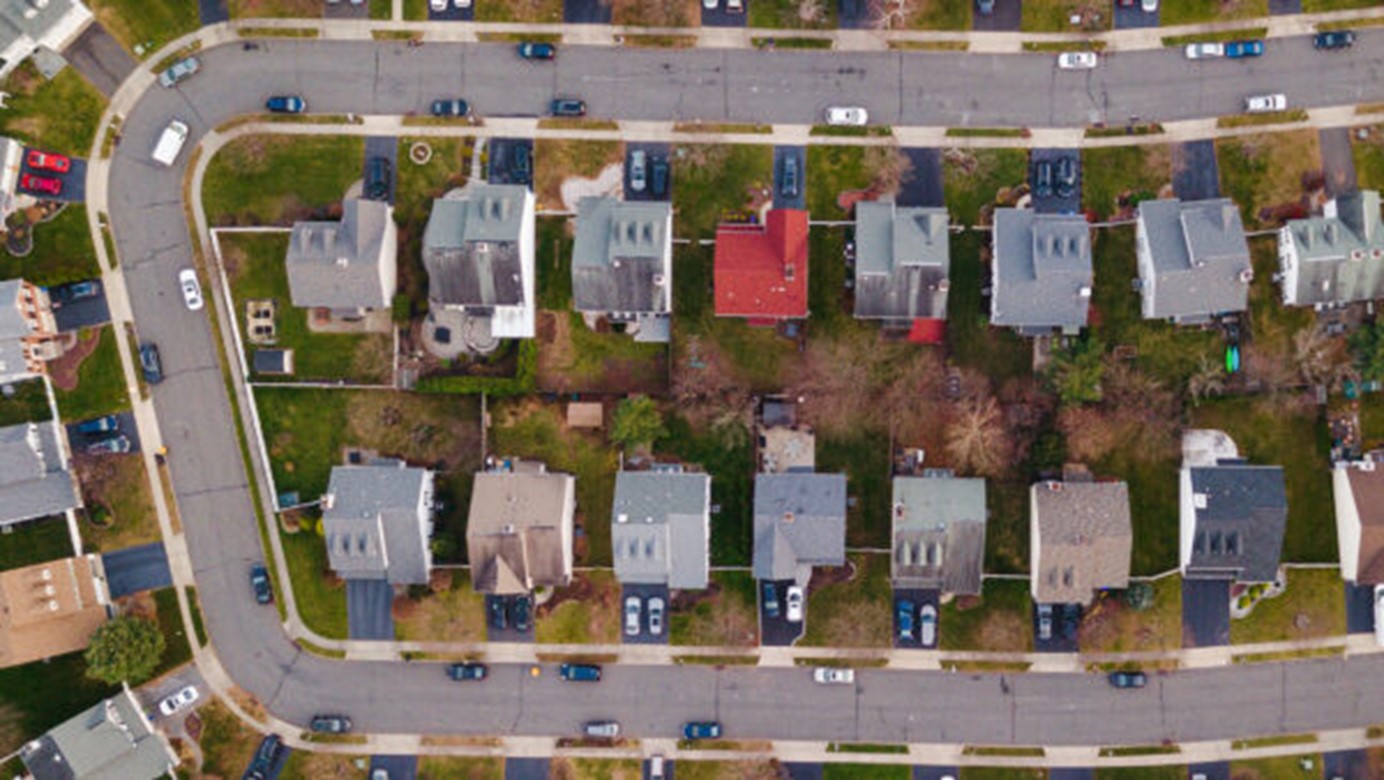
As a recent Senate Majority Policy Committee hearing and as Spotlight PA recently pointed out, rising costs and too few available homes are squeezing families across the Commonwealth. The solution: promote homeownership, expand access to quality rentals, and remove unnecessary regulations. Here in this district, we’ve seen some recent successes when local leaders, private developers, and community partners are driving new market rate housing projects in Pottsville, Hazleton, Weatherly, Orwigsburg, Shenandoah, and Frackville. The goal: revitalizing our communities and expanding housing options without heavy-handed mandates so that PA grows our housing stock, strengthens our towns, and gives every working family a fair shot at stability and success. Discussing Rural Dental Care with Students at Penn State Harrisburg
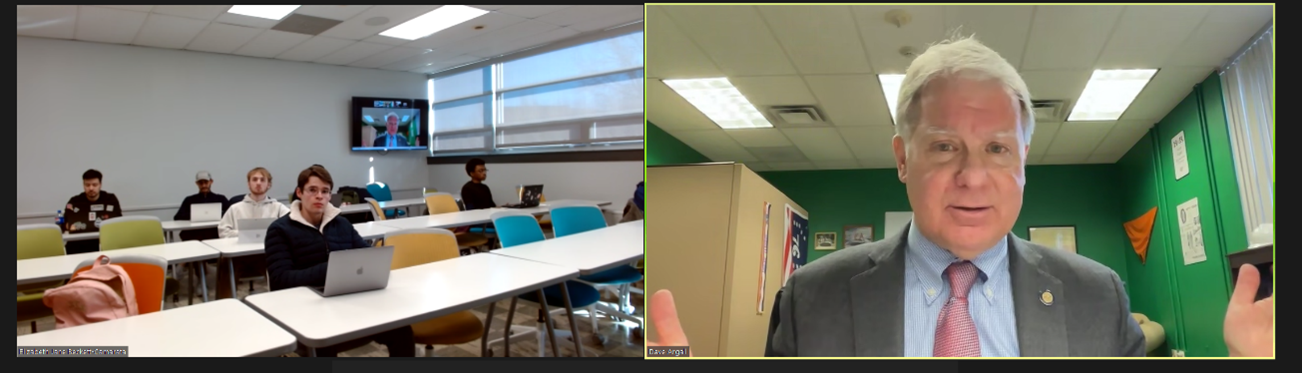
I was recently invited to join Dr. Elizabeth Beckett-Camarata’s Public Policy Class at Penn State Harrisburg to discuss an issue impacting communities across Pennsylvania: access to affordable, accessible dental care, including Temple University’s plan to open its first-ever rural dental clinic and education center in Tamaqua this fall. I have asked the class to conduct a research project focused on this challenge and I look forward to seeing their policy recommendations. Many people have asked why rural dental care is so important. The answer is simple: access to dental care can literally mean the difference between life and death. In the book Teeth by Mary Otto, I learned about the heartbreaking story of 12-year-old Deamonte Driver, a Maryland boy who died after an untreated tooth infection spread to his brain. I also learned about 6-year-old Alexander Callendar of Mississippi, who tragically passed away from complications caused by an abscessed tooth. These stories are devastating — and they are preventable. They highlight two major challenges we face: the shortage of accessible dental care in rural communities and the difficulty of finding dentists who accept Medicaid. Temple’s new clinic will help close these gaps by expanding access to care across Carbon, Luzerne, and Schuylkill counties, training the next generation of dental professionals, and ensuring families in our region don’t have to face these tragedies due to lack of access or Medicaid restrictions. Discussing My Bills to Strengthen the Long-Term Care Workforce
I recently joined Doug Saltzman from WMBS Radio, Uniontown for his PM Drive Show to discuss my bipartisan package of legislation aimed at alleviating the long-term care workforce shortage. Too many of our families, including mine, have faced the difficult decision of moving a parent or grandparent into a long-term care center. The professionals who provide their care are facing increasing challenges because of workforce shortages. All three of my bills have passed the Senate with strong bipartisan support and await a vote in the House of Representatives. You can listen to the interview here. Discussing Care Provider Priorities in Luzerne County
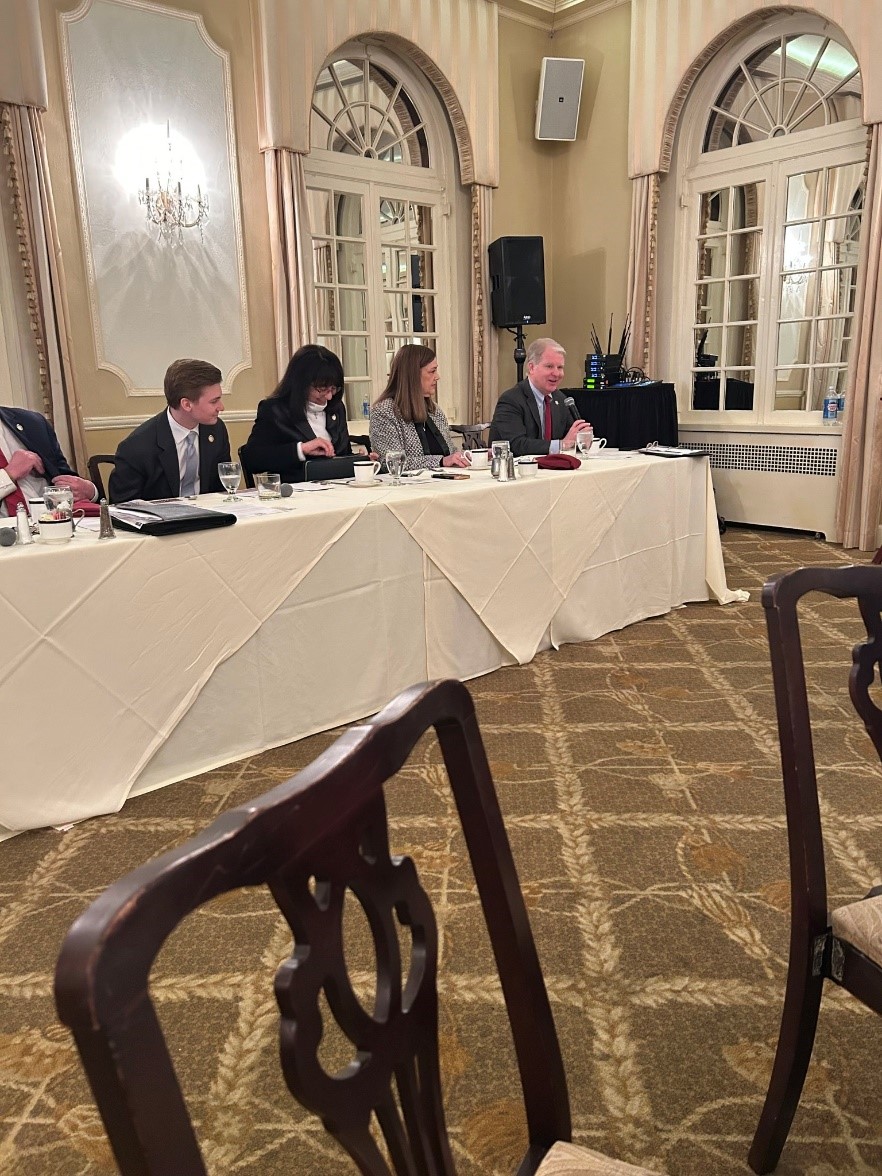
I was recently invited to attend the Rehabilitation & Community Providers Association Annual Luzerne/Wyoming Legislative Breakfast in Wilkes Barre. My colleagues in the General Assembly and I discussed many of the challenges facing human services providers, along with their priorities for the 2026–27 budget cycle. We highlighted the incoming Temple Rural Dental Clinic and Education Center in Tamaqua — a major win for all who need expanded access to dental care. We also talked about the Governor’s proposal to use $4.6 billion from the Commonwealth’s Rainy-Day Fund — a move I do not support, and the urgent need to eliminate waste, fraud, and abuse in many of our human services programs, including my legislation on this topic that became law during the last budget debate. Senate Budget Hearings Examine Spending Details
The Senate Appropriations Committee recently wrapped up two weeks of public hearings on Gov. Josh Shapiro’s $53.3 billion proposed state budget, which would increase spending by $2.7 billion, or 5.4%. At the hearings with the Budget Office and Department of Revenue, committee members raised concerns about the level of spending, inefficiencies in state government and the potential consequences of irresponsible budgeting. The Pennsylvania Department of Transportation’s management of public transit and infrastructure projects was the focus of its hearing with the committee. Lawmakers pressed the agency not only on project oversight but also on the growth of funding held in certain accounts and the level of transparency surrounding how those dollars are being spent. The Public Utility Commission oversees more than 8,000 entities which provide utility services across the state. Committee members raised concerns that Gov. Shapiro’s approach to energy is leading to higher costs for Pennsylvania consumers, while subsidizing lower energy prices in other states in the region. Committee members focused on how State System of Higher Education universities are working to improve enrollment and efficiency. The panel took testimony from the presidents of Millersville, East Stroudsburg and West Chester universities and Indiana University of Pennsylvania. You can find complete recaps and videos of each hearing here. Keeping Construction Jobs Local
Legislation to boost the hiring of local workers for public works projects was the topic of a hearing recently held by the Senate Labor and Industry Committee. Senate Bill 1076 is modeled after existing local hire programs in West Virginia, Montana and Illinois, and specifies at least half of workers on state and local projects exceeding $500,000 must be residents of Pennsylvania or a neighboring county. Contractors can seek a waiver if they’re unable to secure local workers even after utilizing a local PA CareerLink® office for recruitment. Testifiers included representatives of local building trades, contractor associations and others. They discussed how a local hire requirement could help address the skilled trade shortage, save taxpayer dollars, promote accountability within the construction industry and more. You can find video of the hearing here. |
|||||
|
|||||


Want to change how you receive these emails? 2026 © Senate of Pennsylvania | https://www.senatorargall.com | Privacy Policy |