|
|||||
|
In this Update:
Senate Public Hearing: Housing Development Takes Too Damn Long!
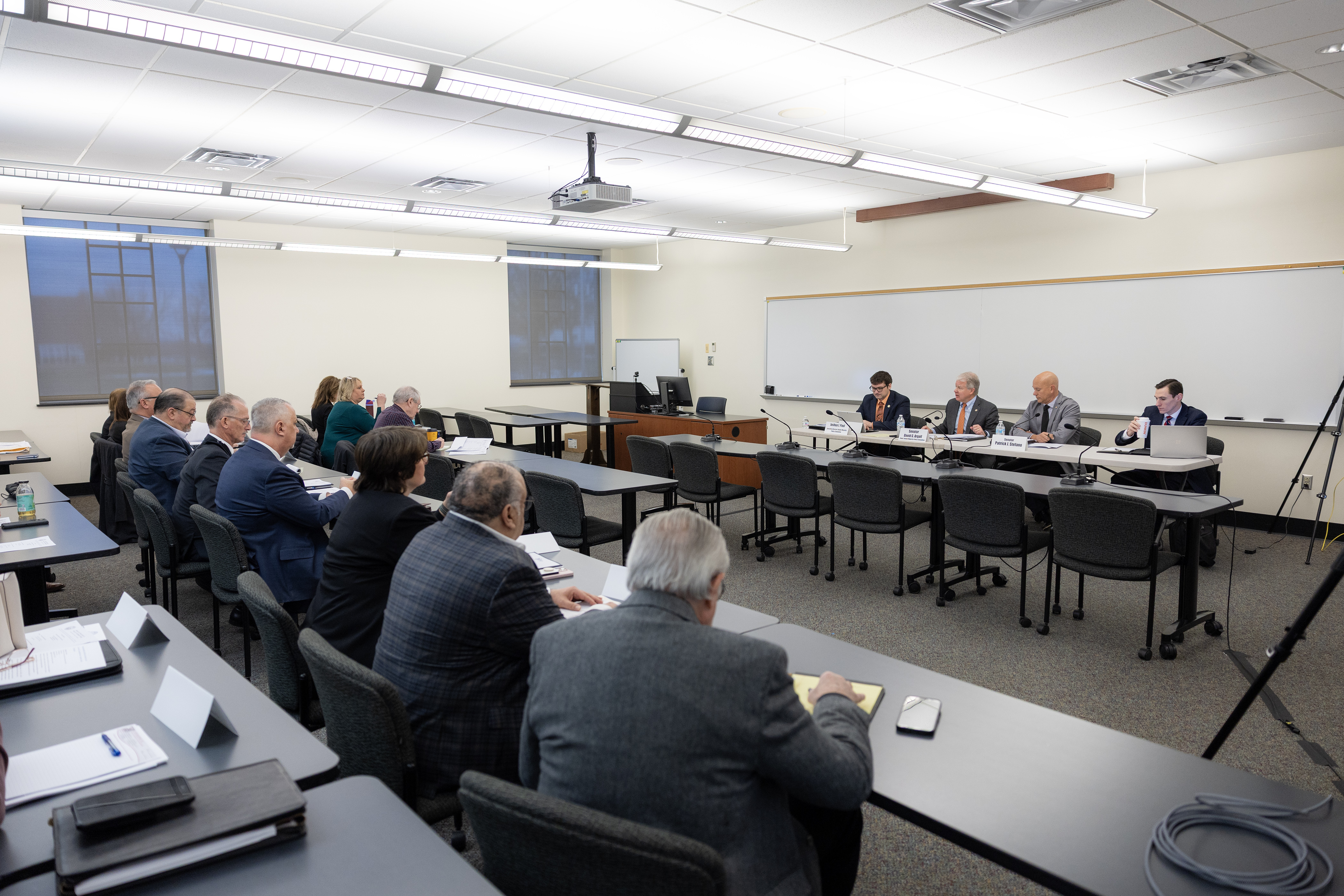
PA’s housing crisis is holding our communities back, and if we don’t act, we will continue losing out to other states like Maryland and West Virginia, which are moving faster and building smarter. I recently chaired another Senate Majority Policy Committee public hearing in southwestern Pennsylvania at the invitation of Sen. Pat Stefano to confront a hard truth: housing development in Pennsylvania is too long, too expensive, and too uncertain! Across this district in Carbon, Schuylkill, and southern Luzerne counties, I’ve heard it again and again — from employers, from workers, and from families. There simply is not enough quality, attainable housing. At this hearing, local leaders didn’t just identify the problem — they offered solutions:
As one testifier puts it, “housing isn’t failing because there’s no interest in building it — it’s failing because the process makes it nearly impossible.” Employers aren’t asking for handouts. They’re asking for housing so their workforce can live near their jobs. If we want to grow our economy, compete for new businesses, and reverse population loss, Pennsylvania must become more competitive. That starts with increasing supply, lowering costs, and creating a development process that is transparent, timely, and reliable. This challenge will take collaboration across state and local officials, along with private partners in our communities. Working with Sen. Stefano, I look forward to advancing innovative, practical solutions at the state level that increase supply, lower costs, and support responsible housing development across Pennsylvania. Senate Majority Policy Committee Examines Childhood Food Allergies
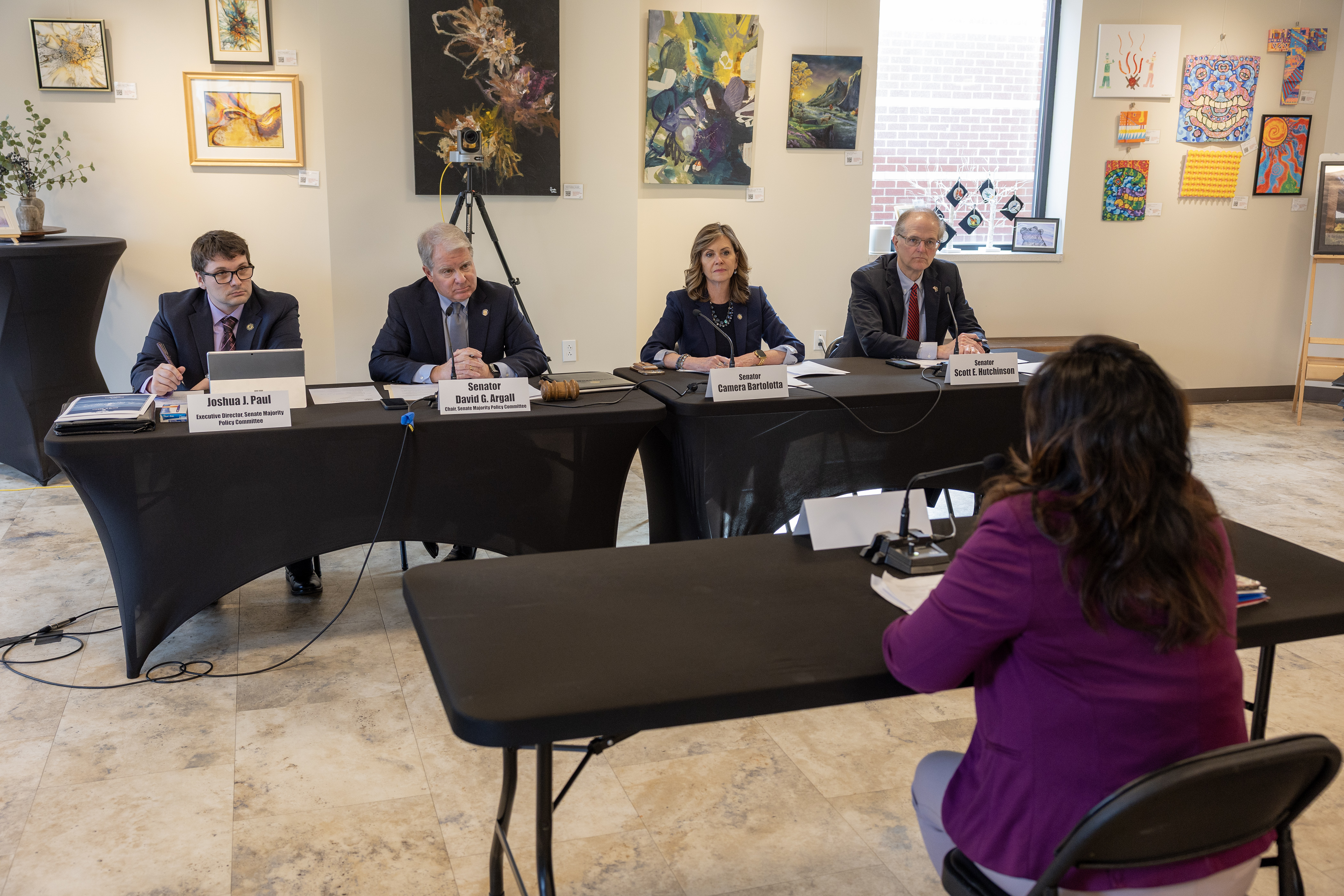
I recently made the long drive to Canonsburg, Washington County at the invitation of Senator Camera Bartolotta to examine a growing public health challenge: the rapid rise of childhood food allergies. Nearly 1.3 million Pennsylvanians live with food allergies. Over the past 20 years, rates have climbed 50%, with peanut and tree nut allergies up 300%. Every 10 seconds, a reaction sends someone to the ER, and families managing a peanut allergy face costs of more than $7,200 per year. We heard compelling testimony that the early introduction of peanut and egg products can reduce the risk of developing these allergies by more than 80%. Sen. Bartolotta’s bill, Senate Bill 978, which I have cosponsored, will require no-cost insurance coverage for these preventative supplements — a practical step to improve children’s health, reduce long-term costs, and ease the burden on families, especially in rural areas where access to specialists is limited. I made this point clear at the hearing: after witnessing many nasty food allergy experiences with my own family and friends, I get it— prevention is the best policy! Discussing My Bipartisan Long-Term Care Reforms
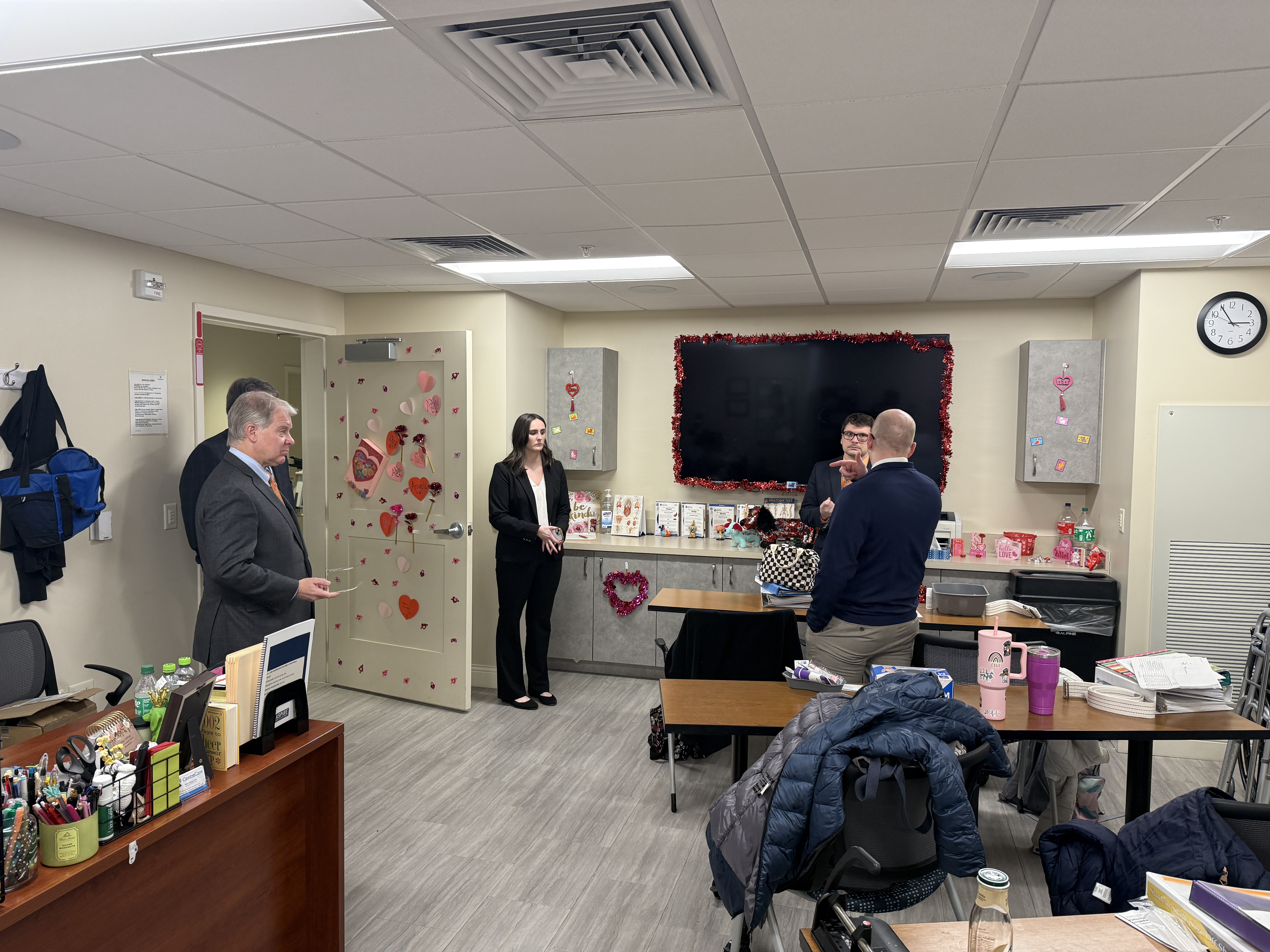
Recently, I traveled to State College to visit Centre Care Rehabilitation Center. We met with Administrator Andrew Naugle and his team to discuss their support for reforms in long-term care, including my bipartisan legislative package designed to address the workforce shortage facing facilities across Pennsylvania. These bills all passed the Senate with strong bipartisan support and now await a vote in the House of Representatives. During our visit, we also toured the facility — including their highly successful nurse aide training program, which is helping build the next generation of caregivers. Highlighting Efforts to Improve PA Student’s Reading Scores
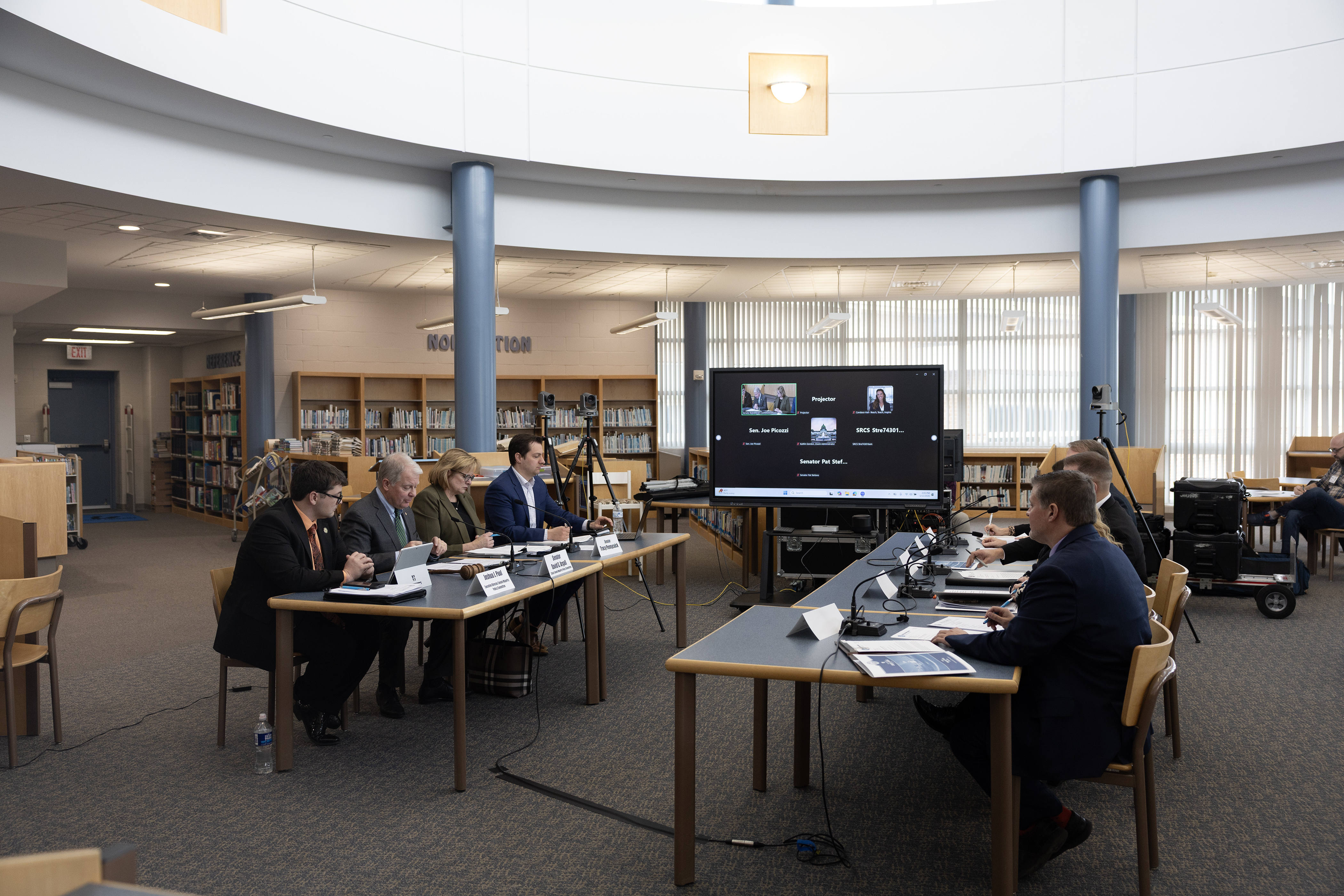
The February edition of the Argall Report highlights how Pennsylvania can strengthen student reading skills by modeling Mississippi’s successful approach to reading instruction. A recent Senate Majority Policy Committee hearing examined new bipartisan strategies to help Pennsylvania students learn to read more effectively. Mississippi adopted similar evidence-based methods and saw its reading scores rise from among the lowest in the nation to above the national average — a low-cost turnaround often referred to as the “Mississippi Miracle.” Pennsylvania and several other states have now enacted literacy legislation inspired by this success. The bipartisan 2025–26 state budget includes new structured literacy requirements and supports, including professional development for educators, universal screenings to ensure no child is overlooked, and targeted intervention plans for struggling readers. Watch the full Argall Report here. Governor’s 2026 Spending Plans: Areas of Agreement AND Serious Concerns
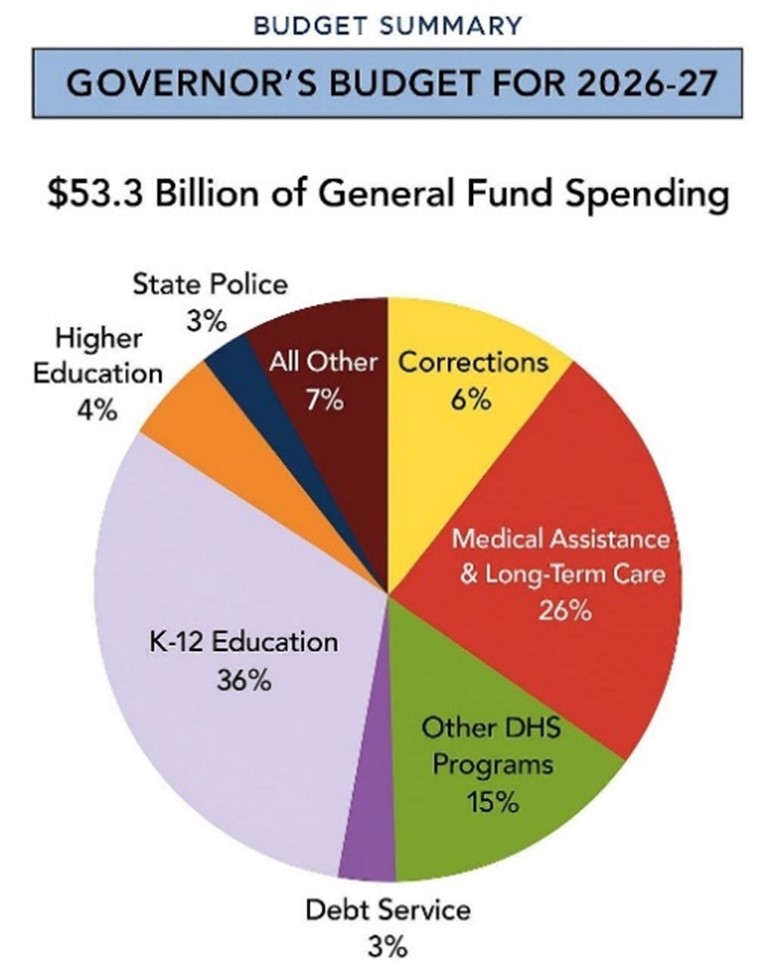
PA families are grappling with the rising cost of living as we begin to review Governor Shapiro’s proposed $53.3 billion budget for 2026–27. The Governor’s plan represents a $2.7 billion spending increase—and is only balanced by withdrawing $4.6 billion from our emergency funds. During last year’s long budget battle, the Senate’s insistence on restrained spending is the only reason this budget does not include major tax increases. We’ve fought to eliminate harmful proposals like the $1.5 billion RGGI electricity tax There are areas where the Governor and I agree. Housing affordability is a real challenge here in Carbon, Luzerne, and Schuylkill counties. However, lasting solutions require assisting homeownership, quality rental availability, reducing unnecessary regulations, and more quality jobs—not expanding bureaucracy. I’m also encouraged to see a positive shift in the Governor’s energy policy. The hundreds of millions in new electricity taxes proposed were dropped from this year’s budget. With PJM warning of power supply shortfalls beginning in 2027, Pennsylvania must focus on increasing energy supply and making electricity more affordable. Bipartisan Cell Phone Legislation Passes PA Senate
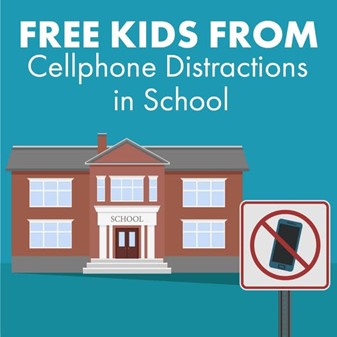
Finally! Recently, the “bell-to-bell phone-free schools” bill, which I co-sponsored, was approved with overwhelming, bipartisan support (46-1) in the PA Senate, and now heads to the House of Representatives for approval. We’re one step closer to making every public school in PA a phone-free zone during the school day, with sensible exceptions for medical needs, IEP/504 accommodations, ESL translation, or teacher-approved instruction. During a hearing on this issue late last year, I shared concerns from a visit with educators at the Panther Valley School District. I agreed with Aaron Chapin of Hazleton, President of the Pennsylvania State Education Association, who represents more than 177,000 educators statewide—his organization supports restricting student cell phone use in public schools. Evidence shows that cell phones have become a major factor in classroom distractions, cheating, bullying, and safety concerns—a growing issue students and educators across Pennsylvania are facing. Protecting PA Drivers
Following the tragic fatal crash in Indiana involving a driver with a Pennsylvania issued, nonresident CDL, Senator Judy Ward, Chairwoman of the Senate Transportation Committee will introduce legislation to:
The federal government is currently investigating PennDOT’s issuance of nearly 12,000 nonresident CDLs. PennDOT has suspended the issuance of these licenses while the review continues. Read more here.
If you are not already subscribed to this newsletter please sign up here. |
|||||
|
|||||


Want to change how you receive these emails? 2026 © Senate of Pennsylvania | https://www.senatorargall.com | Privacy Policy |