|
|||||
|
In this Update:
The “Mississippi Miracle”: A Model for Improving Student Reading Scores
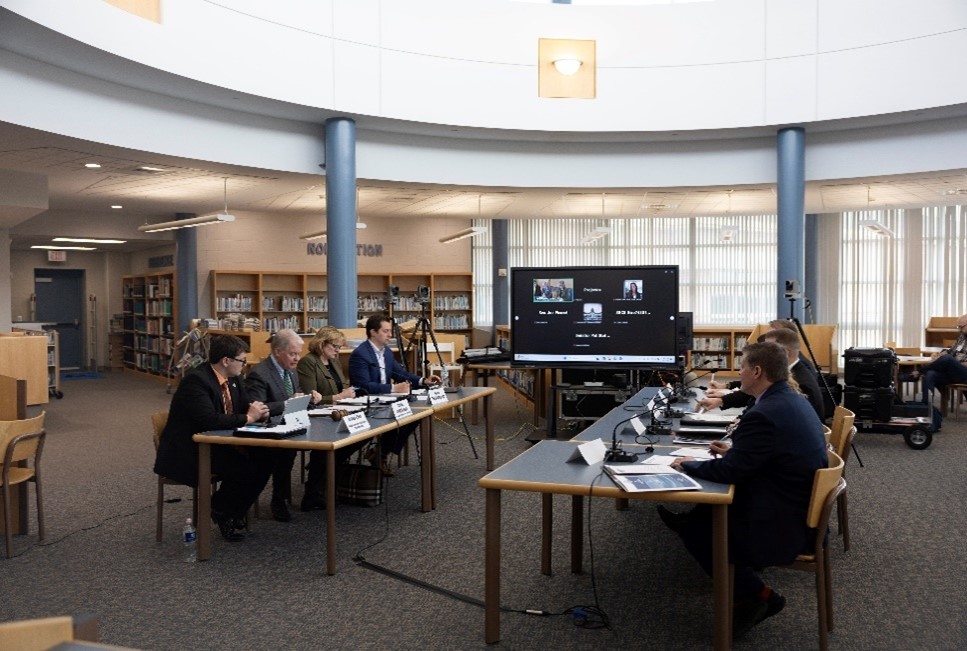
At the request of Senator Tracy Pennycuick, the Senate Majority Policy Committee held a recent hearing in Berks County to review how new requirements for reading instruction have helped thousands of students in Mississippi. I advocated for similar new laws in Pennsylvania which passed in 2024, requiring schools to identify struggling students early and provide new resources to teachers. These laws were enacted after Mississippi increased its reading scores from among the lowest in the country to far above the national average, a low-cost turnaround often called the “Mississippi Miracle.” Learn more here. Reviewing Dental Care at Temple’s Kornberg School of Dentistry
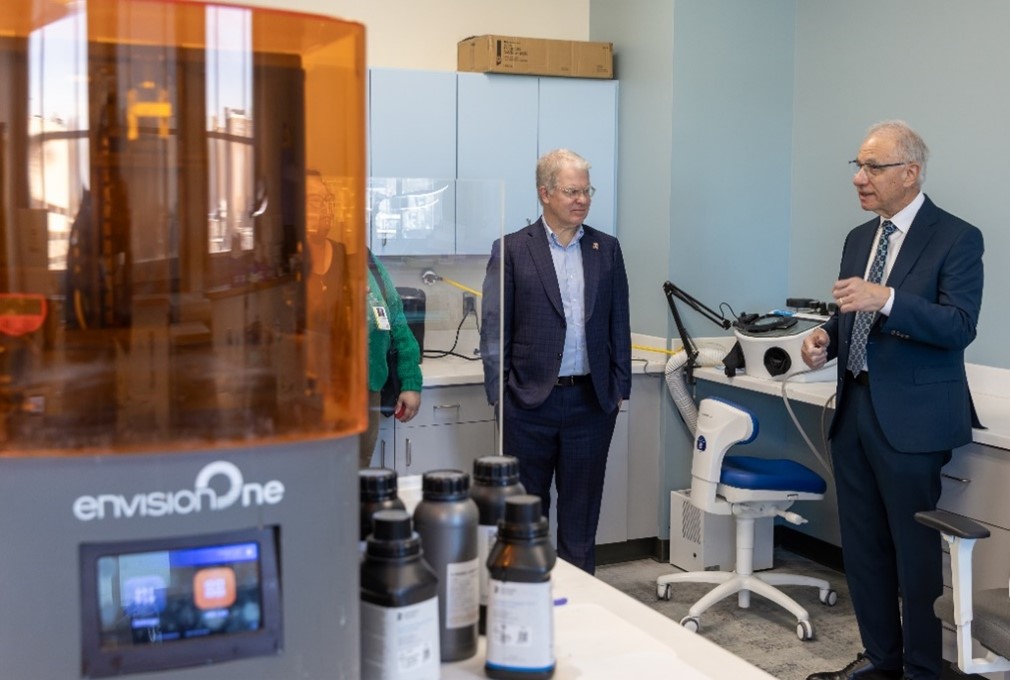
The Senate Majority Policy Committee recently met at Temple University’s Maurice H. Kornberg School of Dentistry at Temple University in Philadelphia to discuss new ways to expand access to quality dental care across Pennsylvania. A key focus was Temple’s plan to establish a first-ever Rural Dental Clinic and Education Center in Tamaqua. The proposed 24-chair facility will train 20 dental students—who will live downtown during their final two years of study—while providing affordable care to residents of Schuylkill, Carbon, and Luzerne counties and beyond. Temple is also in discussions with several local community colleges in the region to launch some much-needed new dental hygiene programs. Read more here. Major Progress in the Fight Against Organized Retail Theft
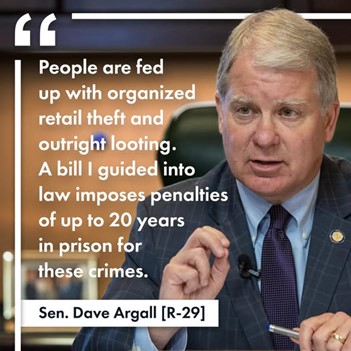
Attorney General Dave Sunday and the 15 agents of the Organized Retail Crime Unit, which was created due to a bill I guided into law, have surpassed 100 investigations, with cases spanning 52 of Pennsylvania’s 67 counties. Attorney General Sunday has highlighted the unit’s effective collaboration with local law enforcement to dismantle criminal organizations and make our communities safer. These results underscore the real impact of these reforms—and why my bill earned strong bipartisan support in both the Senate and the House. In Philadelphia alone, retail theft is down 13 percent and arrest rates are up 40 percent over the past year. Thank you to Attorney General Sunday and the dedicated professionals of the Organized Retail Crime Unit for your tireless work protecting our communities. Learn more here. How Can PA Protect Our Environment AND Provide Affordable, Reliable Energy?
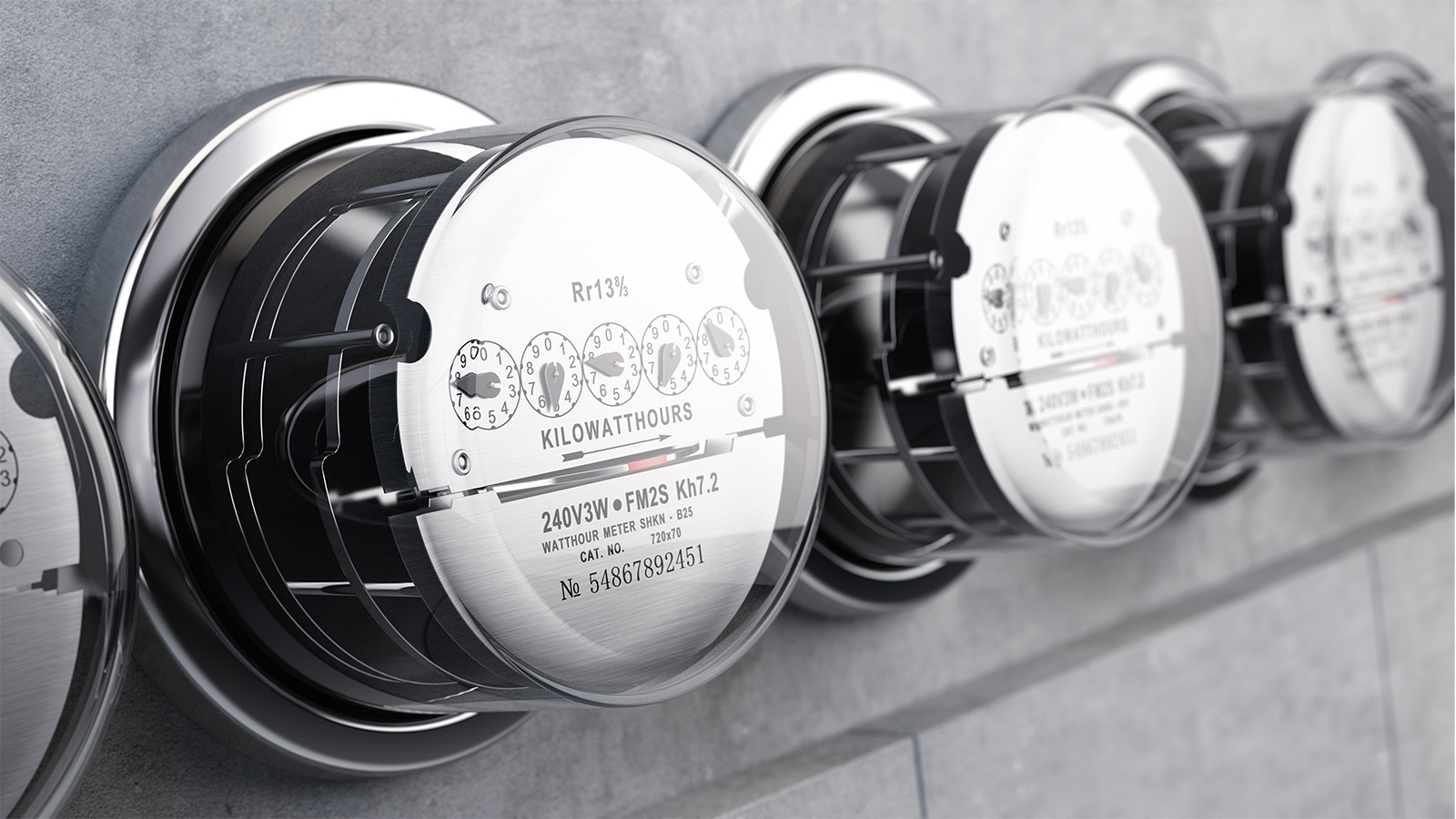
Here’s a key challenge for 2026, and beyond: How can Pennsylvania protect our environment AND provide affordable, reliable energy at the same time? That will be the focus of a Senate Majority Policy Committee public hearing later this year.
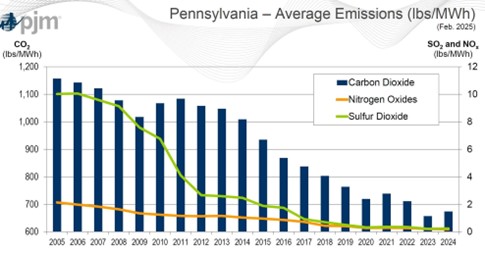
A recent article by Andrew Lewis of the Commonwealth Foundation highlights how PA has significantly reduced carbon emissions without costly regional “cap-and-trade” energy tax schemes like RGGI, which several Governors tried to force on us without a vote of the House and Senate, a clear violation of our state’s constitution. Andrew’s research notes that, rather than relying on heavy-handed mandates, Pennsylvania’s growth in cleaner natural gas and energy production has helped cut emissions. This proves we can champion environmental protection while promoting economic growth and energy independence. Our local efforts to reclaim abandoned mines, restore watersheds, preserve farmland AND produce electricity is part of that broader effort. We must protect our environment AND our pocketbooks. Returning Whole Milk to Schools
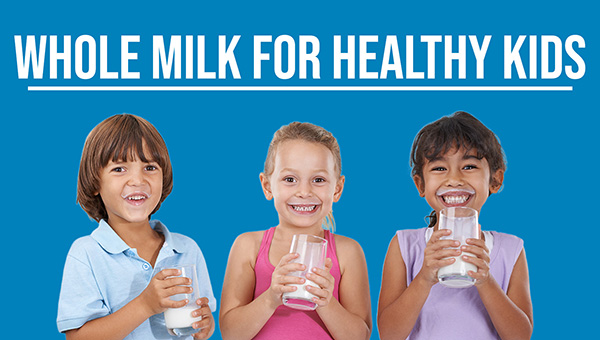
Last June, the Senate approved a resolution urging Congress to pass the Whole Milk for Healthy Kids Act. Whole milk provides 13 essential vitamins to help build strong bones and maintain a healthy immune system. The evidence is overwhelming that both 2% and whole milk should be offered to our students in schools. Based on the evidence gathered at one of our committee’s public hearings, We applaud the recent enactment of the Whole Milk for Healthy Kids Act at the federal level, which allows U.S. schools to now offer whole and 2% milk as options for students, in addition to the current reduced-fat, low-fat and fat-free milk. The bill was in response to enactment of federal legislation in 2010 that permitted only low-fat and fat-free milk options in public schools. Within the first two years of the law taking effect, 1.2 million fewer students drank milk with their lunches. Pennsylvania ranks second in the number of dairy farms and eighth in total milk production, making this change a great positive for children while also supporting our dairy farmers! |
|||||
|
|||||


Want to change how you receive these emails? 2026 © Senate of Pennsylvania | https://www.senatorargall.com | Privacy Policy |