|
|||||
|
In this Update:
My Bill to Address Caregiver Shortages Passes Committee
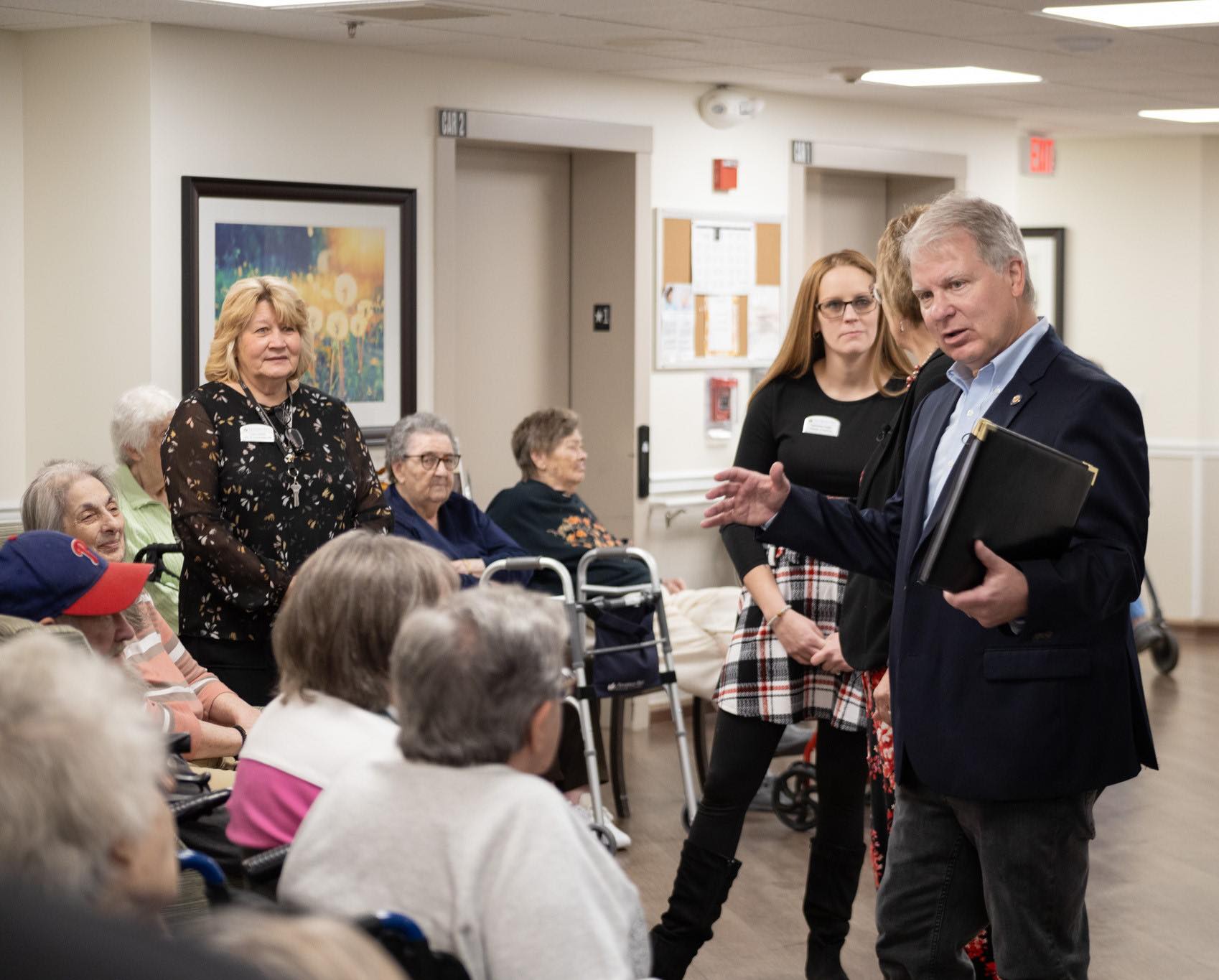
Recently, the Senate Education Committee unanimously approved my legislation, Senate Bill 116. This bipartisan legislation will allow high school juniors and seniors to earn graduation credit by working or volunteering in licensed care settings that provide 24-hour care for the elderly. Too many of our families, including mine, have faced the difficult decision of moving a parent or grandparent into a long-term care center. The professionals who provide their care are facing increasing challenges because of workforce shortages. This bill would show students careers in long-term care as they prepare to enter the workforce. Discussing Rising Electric Costs with PJM Officials
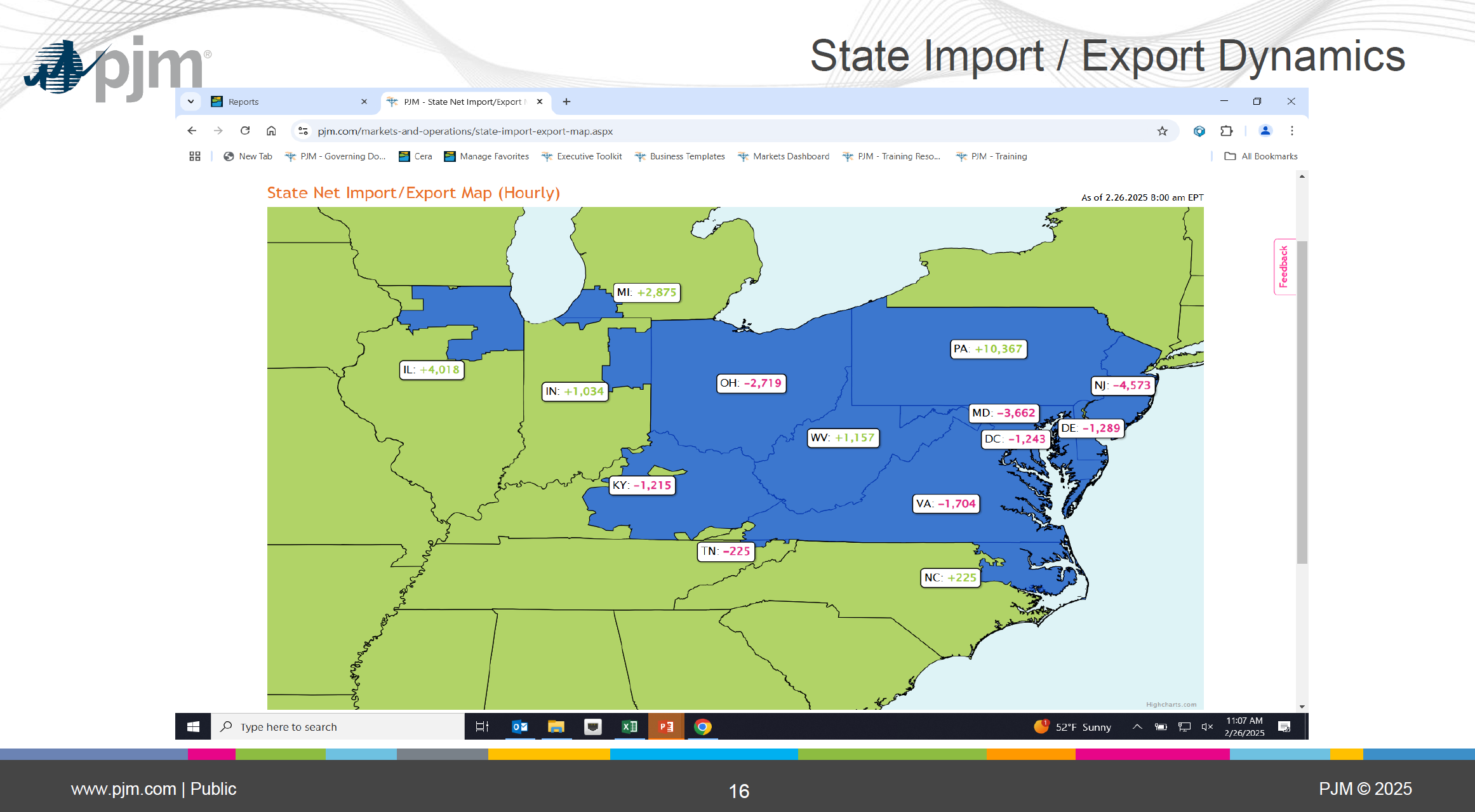
The people I represent in Carbon, Luzerne, and Schuylkill Counties are beyond frustrated by rising electric bills—especially when they learn it’s about to get even worse! I recently met with Senator Gene Yaw, the Chairman of the Senate Environmental Resources and Energy Committee to learn more. Gene’s recent op-ed explains the details here. At Gene’s suggestion, we met directly with PJM officials at their Valley Forge headquarters to discuss these challenges with a group of Ohio state legislators. The primary issue is supply and demand economics: governments, special interest groups, and utilities have been shutting down reliable, 24/7 power sources faster than replacing them. When dependable generation disappears and is replaced with intermittent sources, prices go up. And they will continue to go up unless we rebuild adequate supply to meet the demand for electricity. Pennsylvania, unlike all our neighboring states, produces far more energy that it utilizes and sends that electricity to other states—in part, because of electricity created right here in this Senate district in power plants which have existed for decades. The lake I see out my back windows every day was built for power generation more than a century ago. For affordable, reliable power, Pennsylvania must focus on increasing supply and building new generation. Stay tuned for much more debate on this important issue, in the PA General Assembly, and beyond. We all face an important choice: Do we focus on partisan issues to score debate points, or do we seek a bipartisan solution, to protect our economy AND our environment. HINT: I favor the latter approach! School Cell Phone Legislation Advances
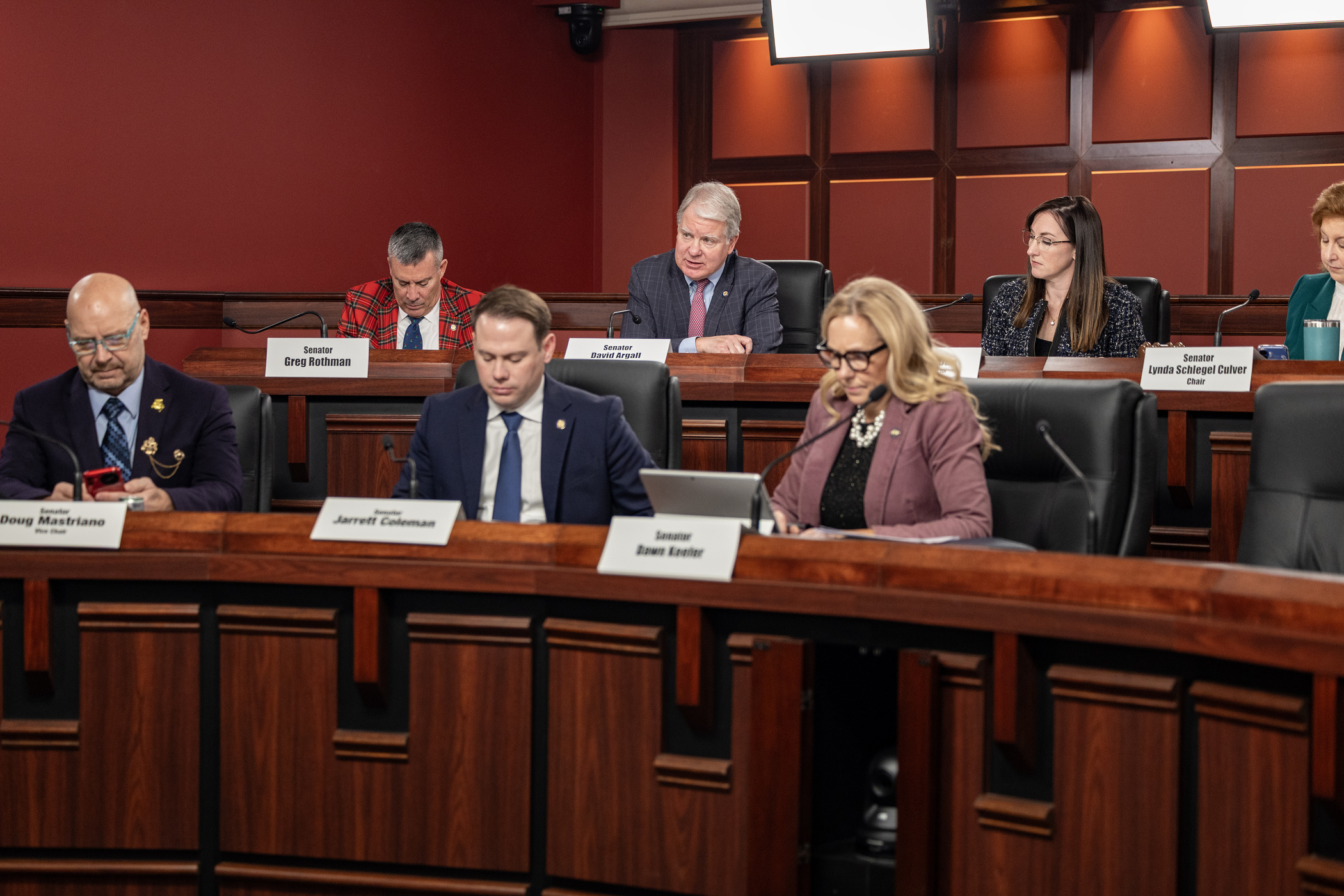
Finally! Senate Bill 1014— the “bell-to-bell phone-free schools” bill — was recently approved by a unanimous, bipartisan vote in the Senate Education Committee. We’re one step closer to making every public school in Pennsylvania a phone-free zone during the school day, with sensible exceptions for medical needs, IEP/504 accommodations, ESL translation, or teacher-approved instruction. During a recent hearing on this issue, I shared concerns from my recent visit to the Panther Valley School District. I agreed with Aaron Chapin of Hazleton, President of the Pennsylvania State Education Association, who represents more than 177,000 educators statewide—his organization supports restricting student cell phone use in public schools. Evidence shows that cell phones have become a major factor in classroom distractions, cheating, bullying, and safety concerns—a growing issue students and educators across Pennsylvania are facing. Senate Votes to Make State Funds Available for Local Bridge Projects
Legislation to make state funding available for local bridge projects was approved by the Senate. Counties receive dollars through the Highway Bridge Improvement Restricted Account within the state Motor License Fund to pay for repair and replacement of county-owned bridges. However, current law does not allow for further practical uses of leftover funds. Senate Bill 1070 would give counties the flexibility they need to improve local, municipal-owned bridges before they become at-risk. Senate Bill 1070 was sent to the House of Representatives for consideration. State Budget Provides Tax Relief for Working Pennsylvanians
The new state budget we passed includes the new Working Pennsylvanians Tax Credit, which provides meaningful relief for working families across the commonwealth. In a time when affordability is a top issue affecting Pennsylvanians, policies like this tax credit help relieve some of the financial burdens on families. If you claim the Federal Earned Income Tax Credit, you may also claim the state tax credit equal to 10% of the federal amount. You can use this online calculator to determine if you qualify for the Working Pennsylvanians Tax Credit and estimate how much you could receive. State Budget Provides Significant Increase for Childcare
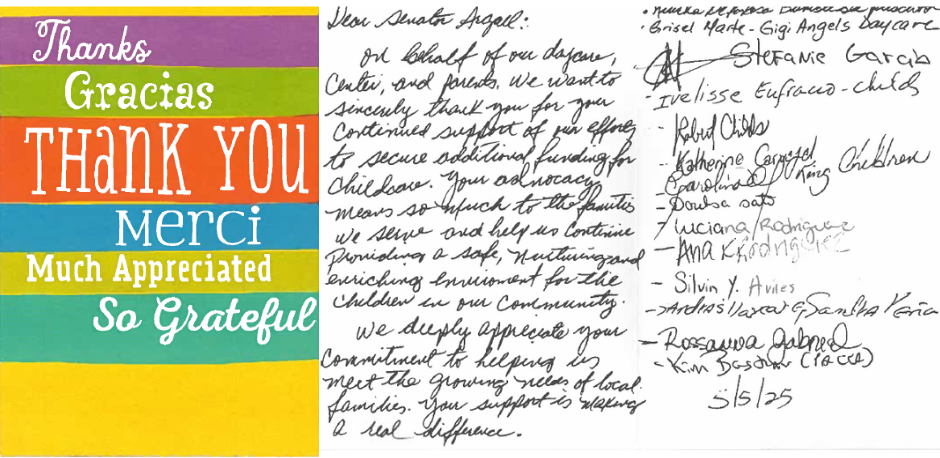
As part of the bipartisan 2025-26 state budget, we have made significant advances in childcare funding for the recruitment and retention of much-needed childcare professionals. Our goal: to help more families access high-quality care and early education—and support the dedicated professionals who make it possible. I appreciate the thoughtful thank you messages I received, including from the Hazleton Head Start center. State Budget Funds New State Police Troopers
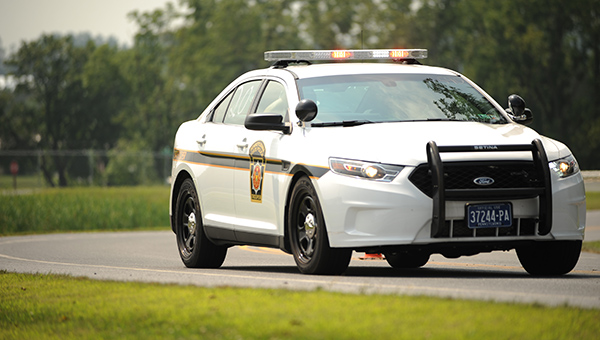
Public safety is a critical component of healthy, stable communities, and I am committed to ensuring that law enforcement gets the support it needs to keep criminals at bay. The Pennsylvania State Police (PSP) fill a vital public safety role in the commonwealth, and I’m happy to report that the 2025-26 state budget includes funding for four state police cadet classes. After completing approximately 27 weeks of training, the most recent cadet class saw 49 graduates join the ranks as state troopers. I wish these new troopers much success as they keep our communities safe and pray for their wellbeing. The PSP’s latest hiring cycle is open until Jan. 23, 2026. Those interested in becoming a state trooper can find application requirements, job benefits and other details at PATrooper.com. Discussing Statewide Housing Initiatives
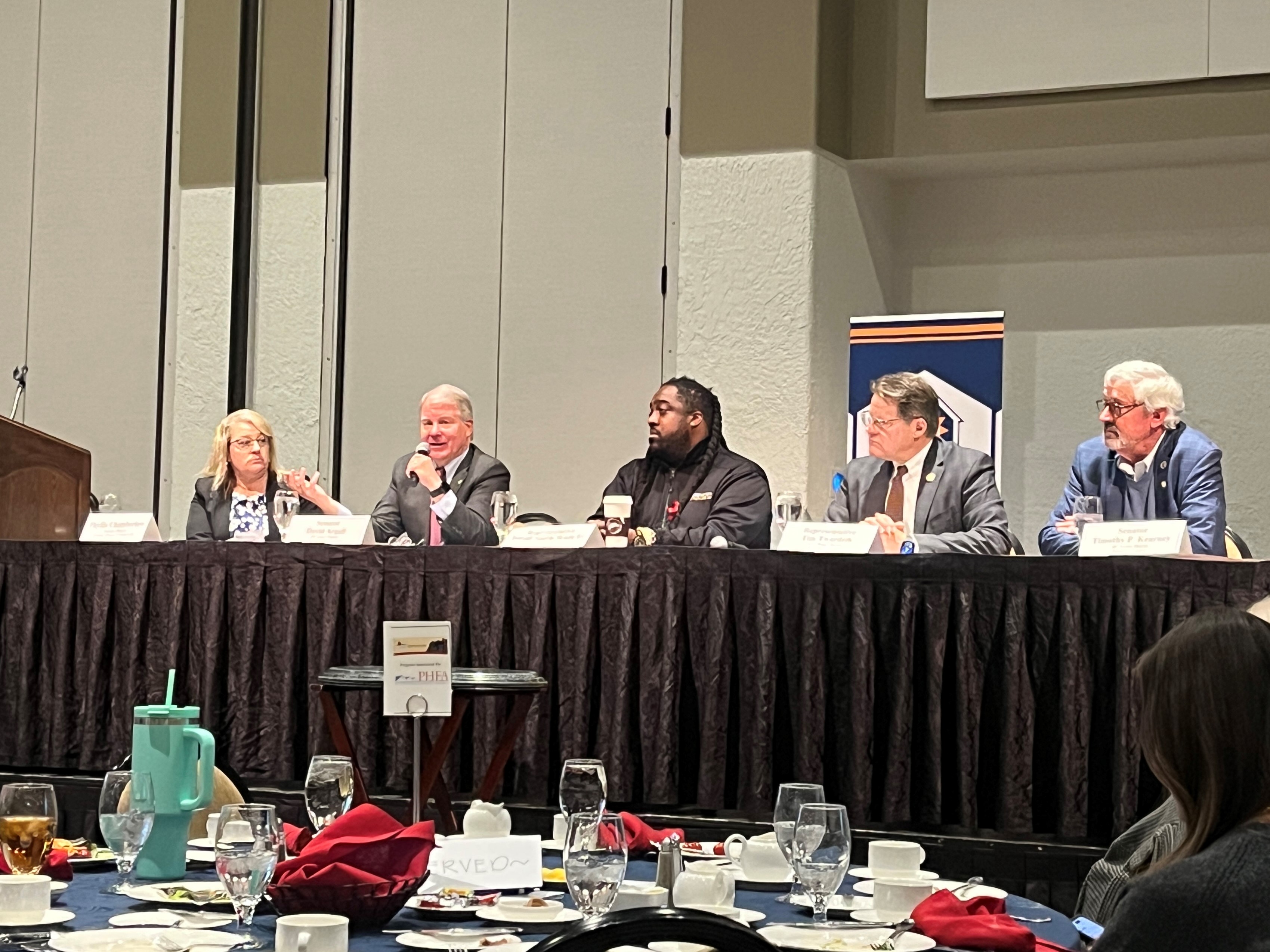
Recently, Rep. Tim Twardzik and I strongly advocated for more quality housing at the PA Homes Within Reach conference in Hershey. We had a productive, bipartisan discussion with hundreds of people on key housing and blight legislation, including my Senate Bill 345, which would strengthen the County Demolition Funding Program. To date, 30 counties — including Carbon and Schuylkill Counties — use my original law to tear down old, rat-infested buildings in order to revitalize older neighborhoods. These counties comprise 52 percent of the population of Pennsylvania. This bill passed with strong bipartisan support in committee and we’re working to schedule a vote before the full Senate. Happy New Year!
Here’s to wishing for a happy, safe, and prosperous new year!
If you are not already subscribed to this newsletter please sign up here. |
|||||
|
|||||


Want to change how you receive these emails? 2026 © Senate of Pennsylvania | https://www.senatorargall.com | Privacy Policy |